STEERING REPAIRS IN SANDYFORD

STAY IN CONTROL.

STEER WITH CONFIDENCE.

From fluid leaks and worn tie rods to steering-rack, pump and alignment problems, our experienced technicians diagnose and repair the faults affecting your vehicle’s handling.

BOOK A STEERING CHECK

POWER STEERING MAINTENANCE

PREVENT LEAKS. PROTECT YOUR STEERING.

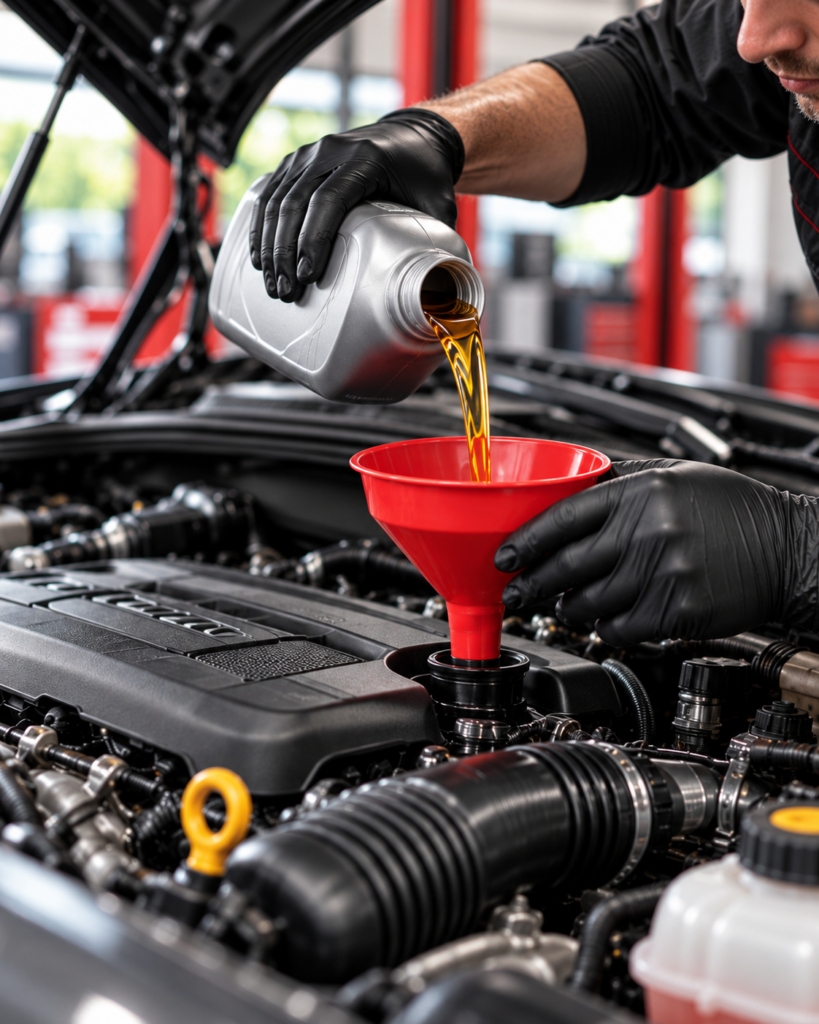
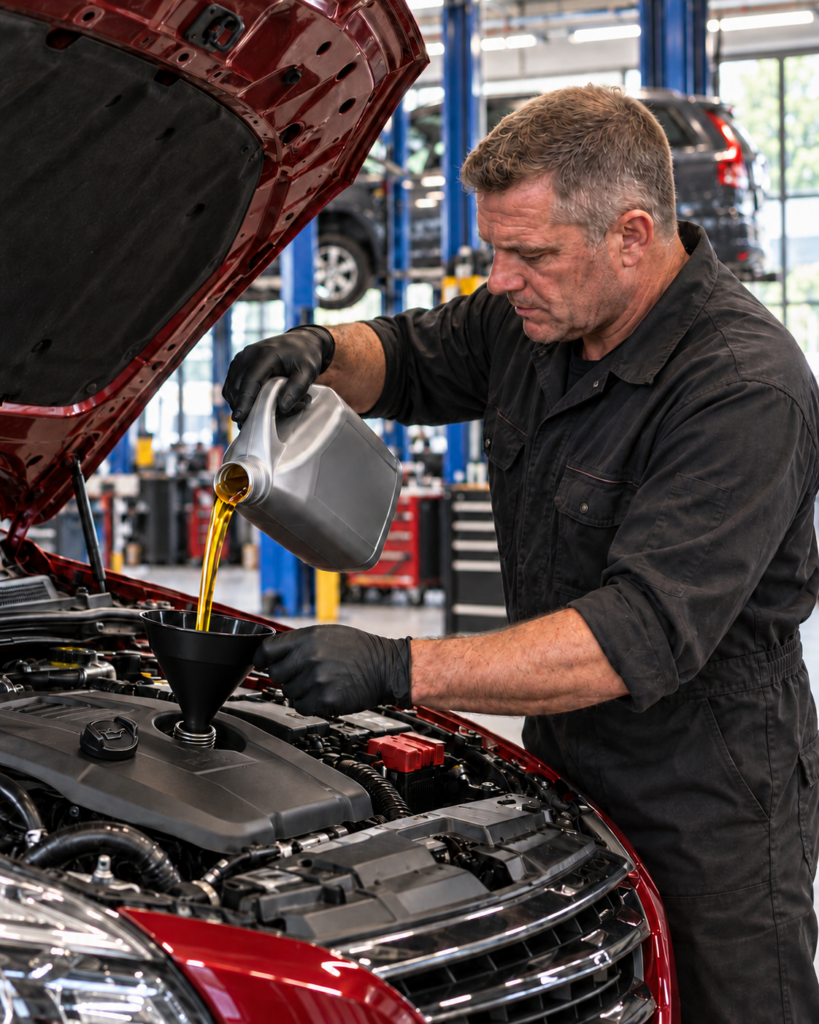
Both the steering rack and the pinion shaft are enclosed in a metal case and surrounded by multiple seals. A common problem in vehicles with power steering is a leak from these seals. It can be caused by contaminated power steering fluid, but once the leaks have formed they are difficult to fix. Racks are usually hard to access, making them difficult and expensive to replace. At Autosales we recommend replacing your power steering fluid periodically to prevent leaks and extend the life of the seals.

Call us

STEERING COMPONENTS AND COMMON PROBLEMS

From racks and tie rods to pumps, hoses and wheel alignment, learn how the key parts of your steering system work and when to have them checked by our Sandyford team.

The rack and pinion steering system is almost universally used in vehicles today because of its simplicity. The system translates the motion of the steering wheel into a directional shift in the tires using only two gears—the steering rack and the pinion shaft. The pinion is a round metal rod with teeth running parallel to its length that connects directly to the steering column. Below it is the rack which is a long, flat piece of metal with teeth cut perpendicular to its edge running its length. The pinion meets the rack at a 90 degree angle and their respective sets of teeth mesh. Consequently, if the driver turns the steering wheel to the right, the pinion will rotate clockwise (from the driver’s perspective). The pinion’s teeth will then mesh with the rack’s, causing the rack to move to the left and the car to turn right.

Both the steering rack and the pinion shaft are enclosed in a metal case and surrounded by multiple seals. A common problem in vehicles with power steering is a leak from these seals. It can be caused by contaminated power steering fluid, but once the leaks have formed they are difficult to fix. Racks are usually hard to access, making them difficult and expensive to replace. At Autosales Workshop, we recommend replacing your power steering fluid periodically to prevent leaks and extend the life of the seals. Symptoms of malfunctioning rack and pinions include, fluid spots on the ground under the gearbox, difficulty turning the steering wheel, clunking noises while steering, uneven tire wear, or looseness when steering. If you experience any of these issues, bring your vehicle in as soon as possible. Our state-of-the-art service center is located in Sandyford, where our team of expert technicians will have you steering smoothly in no time!

In a vehicle’s steering system, the rotary motion of the steering wheel is converted into a directional shift in the wheels via two gears—the rack and the pinion. The pinion transfers the motion of the steering column to the rack which then moves the wheels in the appropriate direction. In order to accomplish this, the rack connects to the wheels using several linkage components or tie rods. A tie rod is a long metal rod with a ball joint on one end and threads on the other. When a driver turns the steering wheel, the rack will move the tie rods in the corresponding direction to change the direction of the wheels. If a tie rod wears out, you may notice a clunking noise when steering, uneven tire wear, poor alignment, and looseness in the steering wheel. At Autosales Workshop, we recommend that you replace your tie rods at the first sign of wear. If left unfixed, it will accelerate the wear and tear on other components of the steering system and your tires. Autosales Workshop is equipped with the best tools and technicians to fix any problem with your steering system. If your vehicle is showing any signs of tie rod wear, come by our service and repair centre located in Sandyford Autosales Workshop experts will have you steering smoothly in no time!

Cars today are heavy duty pieces of machinery—think about all the gears and gadgets it takes to move two tons of metal! So how is it that they are so easy to steer? Without power steering they wouldn’t be. A basic steering system operates by translating the rotational movement of the steering wheel into a directional shift in the wheels. As cars became heavier, however, the system required a little boost to generate enough force to direct the tires. Today, most vehicles are outfitted with power steering—a modified system that uses hydraulic pressure to assist the steering mechanism. Now when the steering wheel is turned, a valve releases highly pressurised fluid into the steering mechanism, helping to push it in the direction the driver is turning. The fluid is housed in a reservoir atop a pump that is continually churned by the engine to achieve high pressure levels. When the driver turns the steering wheel, a valve releases the now pressurised fluid into the steering mechanism. The pump has several seals to keep fluid from leaking when it travels between its reservoir and the steering gear.

Overtime, these seals become worn and fluid will begin to leak. Such leaks can go undetected but when fluid levels become low, it can damage the pump and other components in the steering assembly. Another common problem with steering pumps is a plugged screen. These pumps are outfitted with a screen that filters out contaminants from the fluid before it travels to the steering gear. Eventually, this screen can become plugged and will prevent fluid from flowing in and out. It will also inhibit the pump’s ability to create hydraulic pressure. When this occurs, you might notice that your power steering will be limited.

At Autosales Workshop, we recommend that power steering fluid be replaced in accordance with the manufacturer’s suggested maintenance schedule. Not doing so could result in costly damage to the other components of the steering mechanism. If you’re experiencing any difficulty steering, bring your car in as soon as possible. Although your vehicle will still be drivable without power steering, it won’t respond quickly in emergency situations. So whether you are having trouble steering or just want to have a scheduled maintenance, come by Autosales Workshop. Our service and repair centre, located in Sandyford, has the best tools and technicians to get you steering smoothly!

Power steering systems contain two hoses—a low-pressure hose and a high-pressure hose, both of which are made from a reinforced synthetic compound. The high-pressure hose, or the supply hose, sends pressurised fluid from the power steering pump to the steering gear. Conversely, the low-pressure hose, or the return hose, sends the same fluid back to the pump. Overtime, these hoses can develop leaks, so be sure to inspect them regularly–check for cuts and abrasions, stiffness, and rusted fittings. If you notice any of these conditions, the hoses should be replaced. Additionally, make sure that your power steering fluid is compatible with your vehicle’s hoses and seals. At Autosales Workshop, we recommend that you have your power steering fluid level and hoses checked at every oil change. Failure to catch low fluid levels or leaky hoses could result in costly damage to your vehicle’s steering pump. If you’re experiencing any issues or just want to have your steering mechanism inspected, come by our service and repair centre, located in Sandyford. Autosales Workshop takes pride in offering our customers quality service at the best possible price.

Not all tire wear is caused by a defect in the tires themselves. There are several other components of the vehicle that, when faulty, can result in premature tire damage. In particular, bad wheel alignment can result in uneven wear on your tires. In its most basic form, having correct wheel alignment means that all the wheels are pointing in exactly the same direction. Even if they’re off by a little, your car’s handling will suffer and you’ll begin to see more wear in your tires and suspension than you should.

If your vehicle is in need of an alignment, there are certain symptoms you will notice including, a need to correct your steering to stay in a straight line, a shaky steering wheel, a vibrating steering column, and uneven tire wear. The uneven wear on your tires can sometimes be a sign that your tires need to be rotated, but when combined with these other symptoms, it’s probably poor alignment.

Bad wheel alignment can be caused by a number of things, including running over potholes, accidents, hitting a curb, etc. Even if you haven’t experienced any of these situations, it’s a good idea to have your wheels aligned every 10,000 or once a year, whichever comes first.

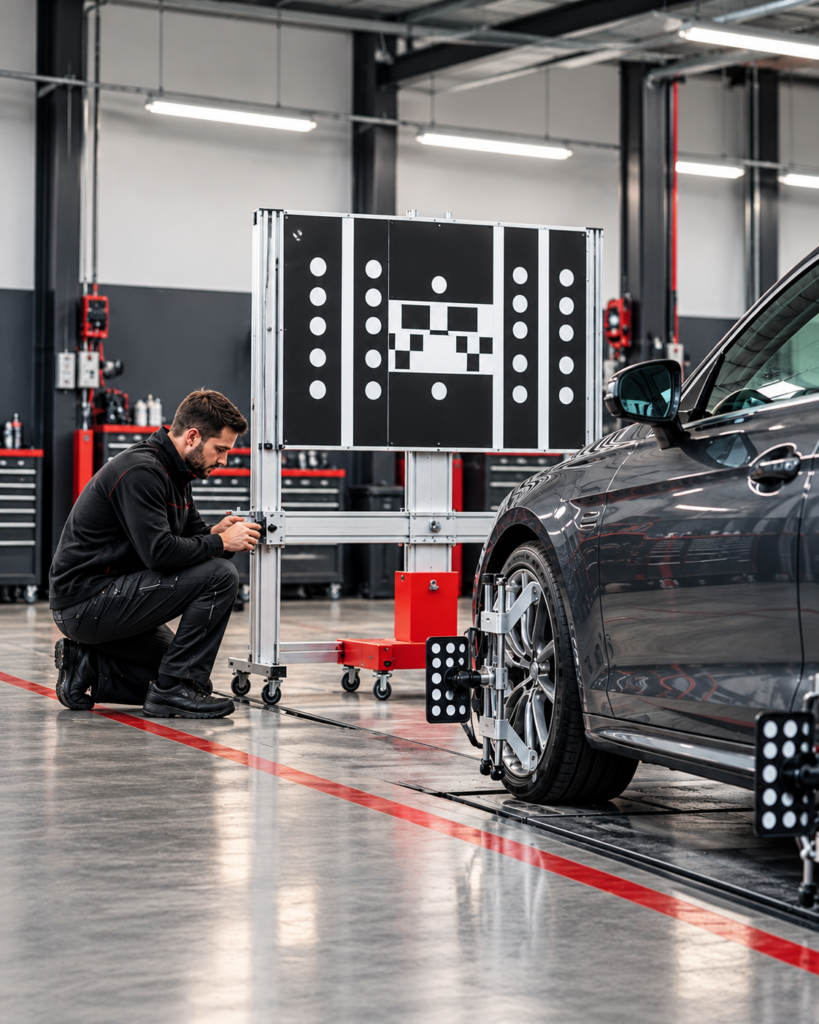
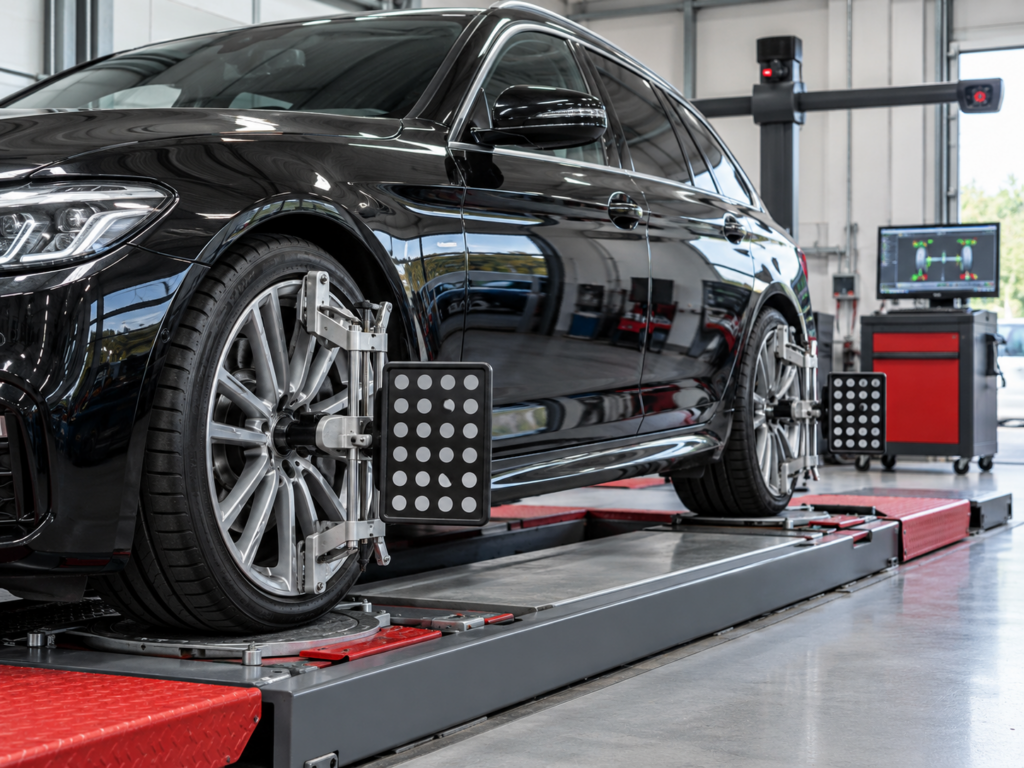
When you bring your vehicle in to Autosales Workshop to have its alignment fixed, one of our mechanics will put a sensor on each tire to determine which ones need to be adjusted. Next, he will check the suspension for any damage, and replace any bad parts. And, once he’s made the necessary adjustments, he will test drive the car to make sure it worked. So, if you notice any of the symptoms above or just want to have an annual alignment, come by Autosales Workshop! Our service and repair centre is located in Sandyford.

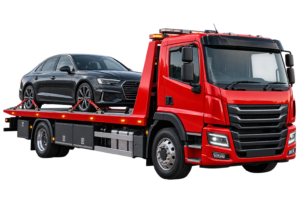
24-HOUR VEHICLE RECOVERY

Help when you need it most.

Our towing and recovery service operates 24 hours a day across Dublin City and County, assisting cars, 4x4s and light commercial vehicles.

Whether you need your vehicle brought to our Sandyford workshop, another garage or your home, our team will help get you and your vehicle where you need to be.

CALL GREG ON +353868888631

We stock all the biggest Car brands

WHAT WE SPECIALISE IN

Secret Link